



.jpg)
Services
“Kaleidoscope listened closely to our community and helped us sort through a lot of history, emotion, and real facility needs. The plans they created have become something we can point to when we talk with families and supporters about where we are headed.”

.jpg)
Overview
Eisner Camp in Great Barrington and Crane Lake Camp in West Stockbridge are two of the flagship overnight camps of the Union for Reform Judaism. Both have shaped generations of Jewish leaders and hold deep meaning for alumni, families, and staff. Each property carries a strong sense of tradition, and both remain central to the Reform movement’s work in youth development.
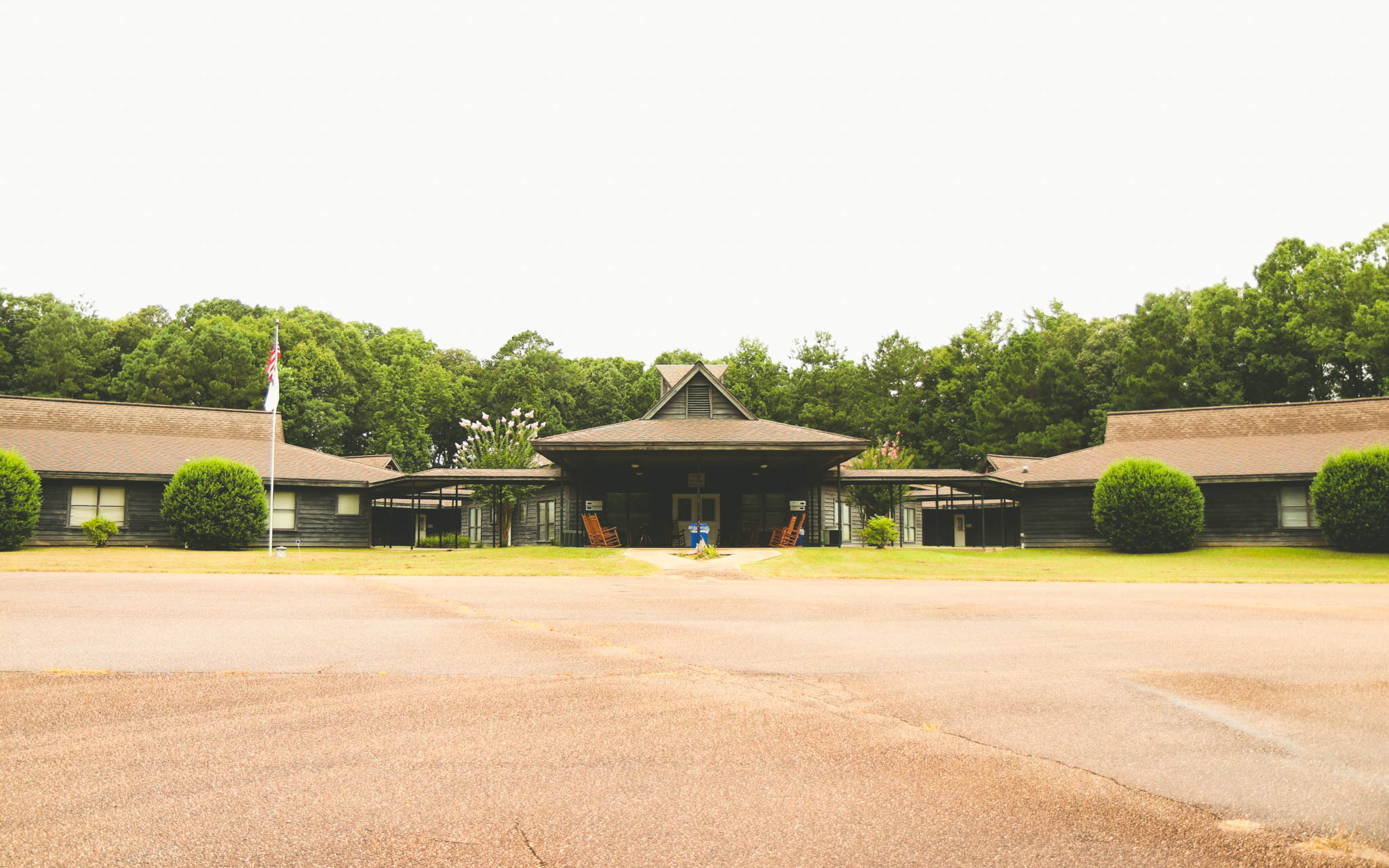
When Kaleidoscope joined the project, both camps were balancing a mix of new and aging facilities. Some buildings no longer supported current program needs, and limited land availability made decisions about redevelopment more complex. The emotional connection families and alumni felt toward each space added another layer of thoughtfulness to every conversation. Leadership wanted a way to honor history while planning realistically for the future.
Kaleidoscope partnered with camp leaders to create master site plans for both properties that respected their legacies and set a clear direction for long-term growth.
The Challenge
Eisner and Crane Lake shared several challenges that required a structured and sensitive approach:
- A blend of newer facilities alongside buildings that were outdated or underperforming.
- Limited room for expansion due to property boundaries and natural features.
- Strong feelings from alumni and current families, which made change difficult to navigate.
- Increasing expectations from parents for safety, comfort, accessibility, and quality.
- The need for a thoughtful plan that helped prioritize investments across two distinct properties.
Leadership wanted a combined process that would bring clarity, unity, and practical direction.
Our Approach
Kaleidoscope guided the URJ team through a planning process grounded in listening, collaboration, and deep understanding of program needs.
Key components included:
- Visiting both camps to walk the properties and understand how programs operated in real time.
- Meeting with staff, alumni, board members, and other stakeholders to gather hopes, concerns, and ideas.
- Evaluating facilities to determine which spaces could be renewed and which needed replacement.
- Reviewing site constraints to identify where new development was possible.
- Developing conceptual design ideas that captured each camp’s character while supporting modern program needs.
- Creating phased approaches that made long-term improvements manageable and fundable.
This process ensured the plans were rooted in mission, history, and practical realities.
The Plan
The final master site plans offered tailored guidance for each camp, with a balanced blend of vision and practicality.
Highlights included:
- New approaches to aging facilities that no longer supported current program goals.
- Creative placement of new buildings in the limited areas available for development.
- Improvements to circulation and arrival experiences to strengthen safety and guest comfort.
- Recommendations that honored each camp’s history while making space for future generations.
- Phased development pathways for each site that aligned with fundraising potential and operational needs.
Each plan provided a clear, mission-driven direction for long-term growth.
Outcomes
The master plans have become foundational tools for leadership at Eisner and Crane Lake.
- Leaders now have clarity on which projects to prioritize and how to sequence them.
- The plans have strengthened donor conversations by giving supporters a clear and credible vision for the future.
- Conceptual drawings and maps are being used regularly to communicate ideas and inspire investment.
- Several projects have begun early planning stages, supported by increased confidence and alignment.
- Staff and stakeholders report a stronger sense of unity around long-term goals.
The plans continue to guide decision making and serve as a reference point for both short and long-term work.
Reflection
This project brought together history, vision, and practical planning in a way that respected the heart of each camp. The master site plans give URJ leadership a thoughtful way to steward these properties, support program growth, and build the confidence needed to invest in spaces that will serve campers and families for decades to come.