At camp, it’s easy for leaders to pour their energy into programming, community building, and creating meaningful experiences for campers and guests. But when the spotlight stays only on the front-facing parts of the mission, deferred maintenance issues quietly compound in the background.
Matthew Swain, National Worship Facilities Specialist at Association Reserves, puts it plainly:
“Unfortunately for camps, father time and mother nature don’t negotiate, and without proper planning, camps risk being blindsided by escalating costs and emergent problems in relation to their site and facilities.”
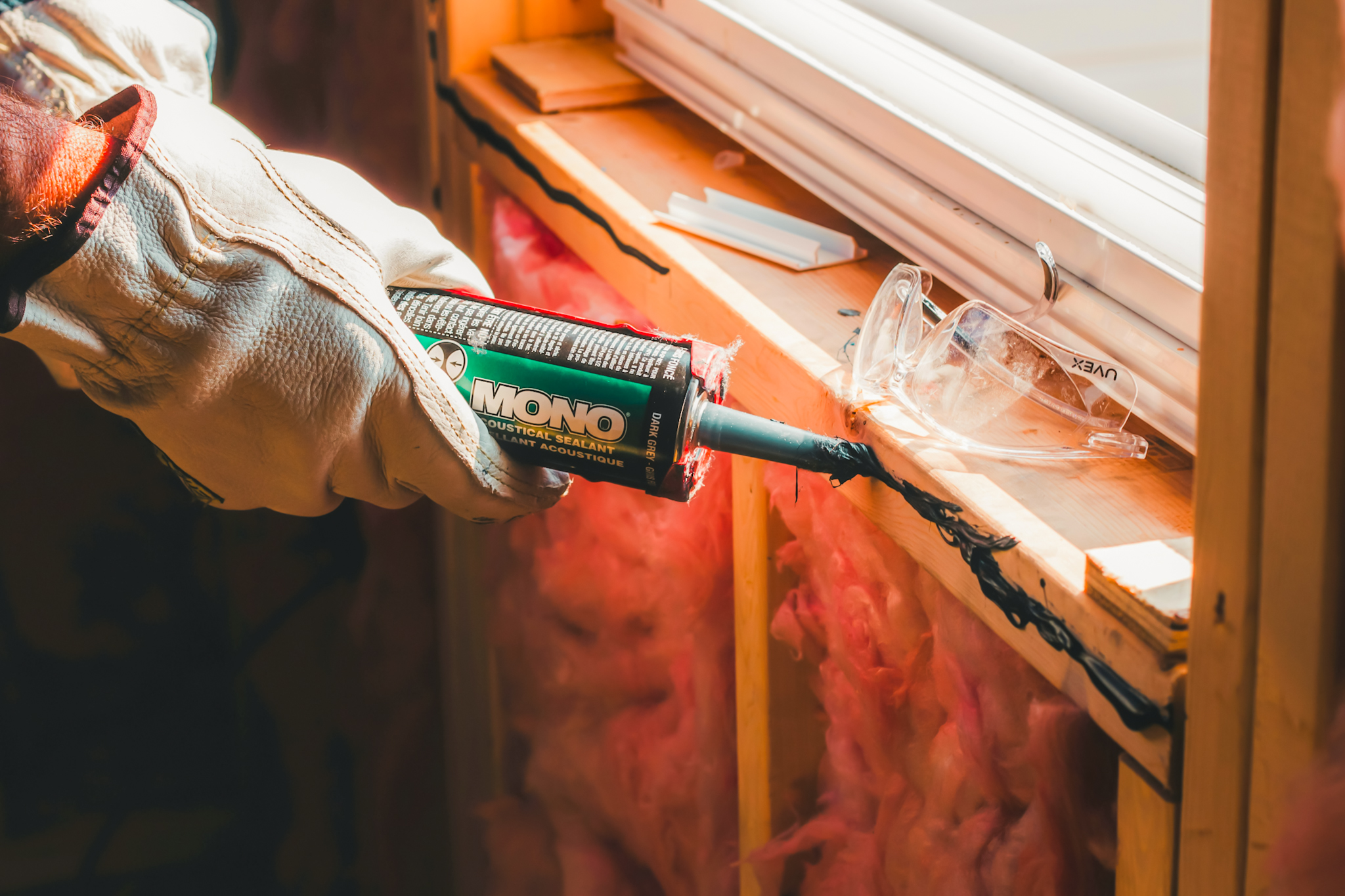
Camps without a proactive maintenance plan or reserve fund often rely on temporary fixes. A leaky roof gets covered with tarps before a rainy season. A deck is patched instead of rebuilt. Sealants, quick repairs, and workarounds offer short-term relief but rarely address the underlying issues — and often cause more expensive damage down the line.
Swain explains: “Rotating projects like painting, roof repair, and replacing the dock — things that happen on a 5/10/20-year cycle — are too often ignored or delayed when not identified and planned for in advance. We help camps understand the true cost of owning their real estate over a 30-year time frame so they can plan for them.”
When camps work with a credentialed Reserve Specialist (RS), the process begins with a full assessment of the site’s infrastructure. This includes evaluating buildings, utilities, site components, and all major systems to understand their life cycles, replacement timelines, and projected costs.
This assessment provides:
Swain notes: “The initial baseline Capital Needs Assessment often falls in the $5–$10k range and becomes the foundation for all future planning. Once it’s completed, annual updates are far simpler and far more affordable.”
Jody Oates, Principal Consultant at Kaleidoscope, adds: “Kaleidoscope recommends camps tap into Matthew’s expertise when the facility needs feel overwhelming, or when a long-term funding plan is needed. A capital needs assessment gets everyone — staff, board, and stakeholders — aligned around the real costs of caring for the site.”
Many camps feel behind on maintenance, and it’s more common than leaders realize. Swain emphasizes that this isn’t a failure — it’s a starting point.
“It’s rare that camps do this work and do it well. Just because this is the way things have been done doesn’t mean it should continue. There is a better way.”
Shifting a camp’s mindset around maintenance can happen quickly, but setting up the systems, funding, and rhythms needed for sustainable facility care can take 5–15 years. The investment is worth it. A well-planned system reduces long-term costs and ensures staff time and resources stay focused on mission — not emergency repairs.